 0
0
 0
0
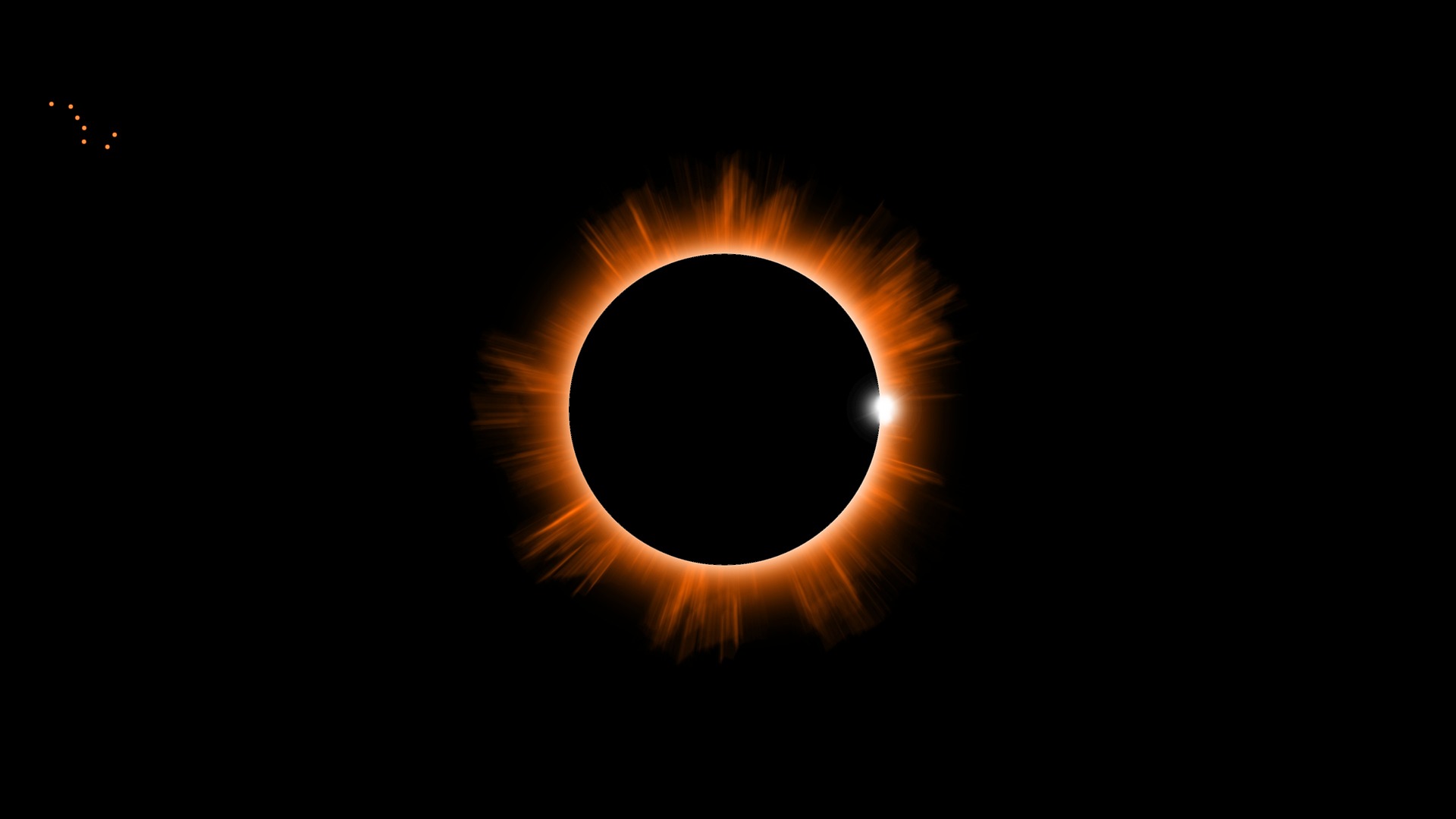
VIENNA, August 11, 2026 — The fascination surrounding the upcoming solar eclipse is growing, but so are warnings from eye specialists. When the Moon moves in front of the Sun on August 12, 2026, people across Austria will have the opportunity to witness a rare celestial spectacle. Looking at the Sun without proper eye protection, however, can cause permanent damage to the retina.
Viennese ophthalmologist Dr. Gabriela Seher is urging the public not to underestimate the danger. A regular pair of sunglasses is not enough to protect the eyes during a solar eclipse.
“It is almost like the eye is burning”
When someone looks directly at the Sun, the intense light can damage the retina, particularly the macula — the central part of the retina responsible for sharp, detailed vision.
“In principle, it is like a sunburn — right at the point responsible for our sharpest vision. You could almost say that the eye burns,” Seher explains.
The condition is known as solar retinopathy. The intense radiation can damage the cells in the center of the retina and, in severe cases, leave visible scarring.
The consequences can be serious. According to Seher, a person with otherwise normal vision could potentially experience a significant reduction in visual acuity, with vision falling to around 50 or 60 percent in severe cases.
What makes the injury particularly concerning is that the sensitive cells of the macula have only a limited ability to regenerate. Damage may therefore be permanent.
A partial solar eclipse over Austria
On August 12, 2026, the Moon will cover almost 90 percent of the Sun at maximum over parts of Austria. The partial eclipse is expected to begin at around 7:22 p.m. and theoretically continue until approximately 9:07 p.m.
However, observers in Austria will only be able to see the phenomenon until sunset, which is expected at around 8:16 p.m.
For the best possible view, experts recommend choosing an elevated location with an unobstructed view toward the western horizon.
Ordinary sunglasses are not enough
One of the most common misconceptions is that normal sunglasses provide sufficient protection during a solar eclipse. They do not.
Ordinary sunglasses are designed to reduce brightness and provide protection from everyday sunlight, but they are not suitable for looking directly at the Sun during an eclipse.
Specialized solar eclipse glasses or certified solar viewing filters are required. These must be specifically designed for direct solar observation and should be used according to the manufacturer’s instructions.
Seher also emphasizes that wearing ordinary prescription glasses does not protect the retina from eclipse-related damage.
“Glasses only correct the diopter,” she explains. “If the center of the retina has been damaged, they cannot do anything about it.”
Damage may not be immediately obvious
Another danger is that retinal damage may not always be felt immediately. A person may look at the Sun and initially experience no severe pain, even though the retina is already being injured.
That is why experts advise against taking even a brief, unprotected look at the Sun. The fact that the Moon covers most of the solar disk does not make direct viewing safe.
The upcoming eclipse is an opportunity to experience an extraordinary astronomical event — but only with the right precautions.
The rule is simple: Never look directly at the Sun without certified solar protection. A few seconds of fascination are not worth risking your eyesight for life.
- Hector Pascua with reports from heute.at/picture: pixabay.com



This post has already been read 7836 times!